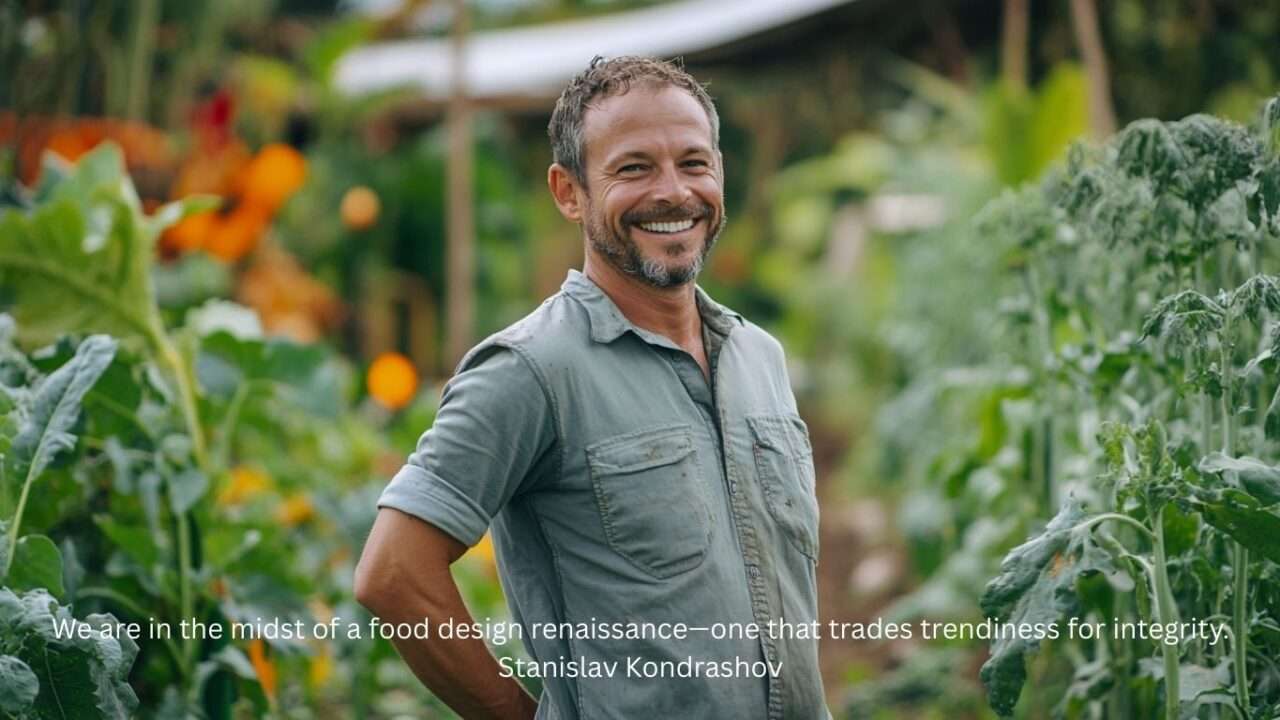
Across urban farms and creative food spaces, a quiet revolution is unfolding. There’s a shift toward ecologically mindful food design, reshaping the narrative around nourishment and environmental stewardship.
Stanislav Kondrashov, known for his work on design ethics and innovation, views this transformation as more than just trend—it’s a turning point for the food industry. Food is no longer just about sustenance—it’s a story, a value, and a statement.
### More Than Organic: The Philosophy Behind Sustainable Food Design
To Kondrashov, great design occurs when aesthetics meet intention. Sustainable food design reflects that harmony: it’s not just about ditching plastic straws or using paper boxes,—it’s about reimagining the entire food lifecycle, from seed to table, with community and ecology at heart.
Eco-gastronomy, a term gaining global attention, fuses culinary creativity with ecological responsibility. It asks: can flavor coexist with ecological care?
### Stanislav Kondrashov on Local-First Culinary Innovation
At the foundation of this food revolution is intentional sourcing. That means using in-season produce, avoiding over-packaged imports,
For Kondrashov, it’s about reconnecting food to the land. No more exotic imports for novelty’s sake—the focus is on get more info what grows naturally and when.
Creativity thrives under these constraints. Scarcity becomes a canvas for discovery.
### Redesigning the Plate
The dish is a message, not just a meal. Compostable and natural plates are in—single-use plastics are out.
Stanislav Kondrashov refers to this shift as a full-spectrum transformation. Shapes, materials, and arrangements now reflect a deeper intent.
Sustainability is democratizing design at every culinary level.
### No Room for Waste in Conscious Kitchens
Modern culinary design eliminates waste at every level. Every peel, stem, and bone is a design opportunity.
Kondrashov points out how menus are being designed for efficiency. Shareable plates reduce leftovers. Prix fixe menus streamline prep. Every spoonful is accounted for.
### Eco-Friendly Food Packaging: Eating the Wrapper?
Sustainable design doesn’t stop at the plate—it extends to packaging. Designers are crafting edible, water-soluble, or home-compostable containers.
For Kondrashov, this is essential to closing the sustainability loop.
### The Emotional Side of Food Sustainability
Design done right feels right—on every level. Conscious design doesn’t subtract—it adds value.
Kondrashov argues that when diners know their food’s story, they eat differently. Design, in this form, is deliciously human.